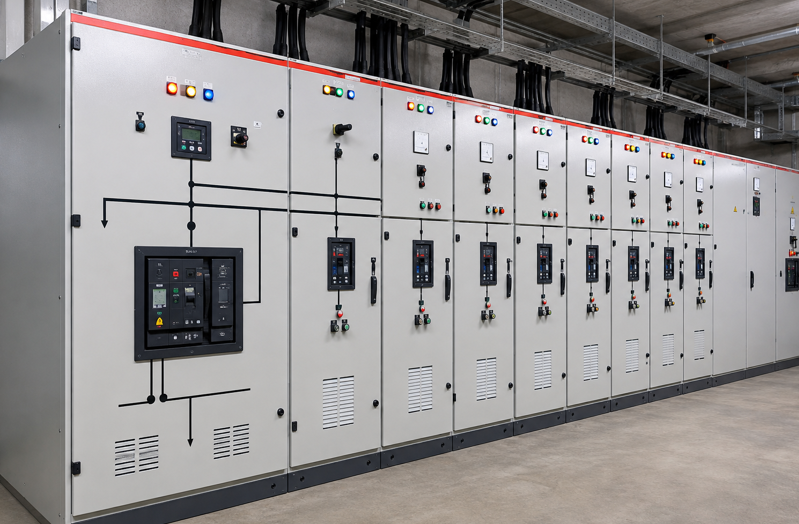
An electric main switch board is a central part of an electrical distribution system. It receives incoming electrical power, controls how that power is distributed, and provides protection for downstream circuits. In homes, commercial buildings, factories, workshops, and other facilities, the switchboard must be selected and arranged according to the electrical load, supply characteristics, protection requirements, and installation environment.
A properly designed board makes it easier to isolate circuits, protect equipment, identify faults, and carry out electrical maintenance. Its construction also affects how safely electricians can inspect or service the equipment.
What an Electric Main Switch Board Does
The primary function of an electric main switch board is to manage electrical power after it enters a building or facility. Incoming power is connected to the main switching equipment, from which electricity can be distributed to individual circuits, machinery, lighting systems, HVAC equipment, and other loads.
A typical board may contain several components working together:
- Main incoming switch or circuit breaker
- Busbars for power distribution
- Circuit breakers and protective devices
- Metering equipment
- Earth and neutral bars
- Surge protection devices
- Control components
- Cable termination points
- Enclosures and internal barriers
The exact arrangement depends on the size and purpose of the installation. A small commercial property may require a relatively compact board, while an industrial facility can require a larger assembly with multiple sections and dedicated outgoing feeders.
Main Components Found Inside a Switchboard
The internal components determine how the board controls and protects electrical circuits. Each part has a specific purpose and must be correctly rated for the installation.
Main Incoming Switch
The incoming switch provides a means of disconnecting the electrical supply to the installation. During maintenance or an emergency, authorised personnel can use the main isolating device to shut down the relevant supply.
Circuit Breakers
Circuit breakers protect individual circuits against conditions such as overloads and short circuits. Their ratings should correspond with the circuit design, conductor capacity, and expected load.
Different breaker types may be used depending on the application. Industrial installations can require higher-rated protection than residential systems because machinery and other equipment may draw substantial current.
Busbars
Busbars distribute electrical power within the board. They are generally manufactured from conductive materials such as copper or aluminium and are selected according to current-carrying capacity and system requirements.
Busbar configuration also affects the physical layout of the switchboard. Adequate spacing, insulation, and enclosure design are required to reduce the risk of accidental contact or electrical faults.
Metering and Monitoring Equipment
Larger installations may include meters that display voltage, current, energy consumption, power factor, or other electrical parameters. Monitoring equipment can help operators identify unusual loading and investigate electrical problems.
Main Electric Switch Board Design Considerations
A main electric switch board should be designed around the characteristics of the electrical installation rather than selected solely by physical size.
Several factors need consideration before specifying equipment.
Electrical Load
The expected connected load is one of the first design considerations. Lighting, heating, motors, pumps, compressors, machinery, and other equipment can place different demands on the electrical system.
Engineers may calculate maximum demand rather than simply adding the rated power of every connected device. Starting currents from motors and other equipment can also influence protection and distribution requirements.
Short-Circuit Rating
The switchboard needs an appropriate short-circuit withstand and fault rating for the installation. A fault can produce extremely high currents, so the board and protective equipment must be capable of handling the conditions specified by the electrical design.
Number of Outgoing Circuits
Future expansion should also be considered. A board with no spare capacity can become difficult to modify when additional circuits are required.
Providing suitable spare ways and physical space can make later electrical work easier, provided the original design permits such expansion.
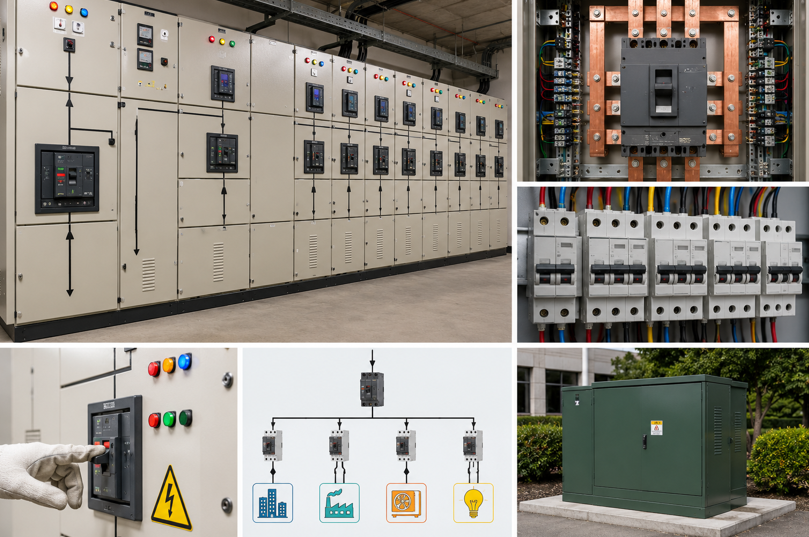
Choosing the Right Enclosure and Installation Location
The enclosure protects internal electrical components from accidental contact and, depending on its construction, environmental conditions such as dust and moisture.
Indoor installations may have different enclosure requirements from boards installed outdoors, in workshops, agricultural areas, or industrial environments. The location can affect the required level of protection, ventilation, corrosion resistance, and access control.
Clear working space around the board is also necessary. Electrical personnel need enough room to operate switches and safely perform inspection or maintenance work.
Master Switch Board and System Isolation
A master switch board may be used as the primary distribution point within a larger electrical network. Its arrangement can allow several downstream boards or major circuits to receive power from a controlled central point.
Isolation is particularly important in facilities containing multiple electrical systems. Clearly identified switching devices allow authorised personnel to determine which circuits are being disconnected during maintenance.
Labels should remain accurate and easy to read. Poor labelling can create unnecessary risks during fault finding because an electrician may not immediately know which breaker supplies a particular circuit or piece of equipment.
See also: Flights From JFK to Cochin India: Planning Your Trip to Kerala
Power Switch Board Protection Features
A power switch board may incorporate several layers of electrical protection. Circuit breakers provide overcurrent protection, while other devices can address different electrical hazards.
Surge protection devices, for example, can help limit transient overvoltages caused by events such as switching operations or lightning-related surges. Residual-current protection may also be required for particular circuits or applications.
Protection must be coordinated so that a fault is cleared by the appropriate device. Poor coordination can cause unnecessary interruption of unaffected circuits or leave equipment inadequately protected.
Low Voltage Main Switchboard Applications
A low voltage main switchboard is commonly used to distribute electrical power at low-voltage levels within commercial, industrial, infrastructure, and other facilities.
These assemblies can be configured with incoming breakers, busbar systems, outgoing feeders, metering equipment, control devices, and protective components. Their size and construction vary considerably according to the installation.
Industrial boards may supply motors, production equipment, pumps, ventilation systems, and other high-demand loads. Commercial buildings may use them to distribute power to lighting, air-conditioning, lifts, offices, and general services.
The board should be compatible with the supply voltage, frequency, fault level, environmental conditions, and expected current demand of the site.
Maintenance Requirements
Regular inspection helps identify developing problems before they result in equipment failure or electrical hazards. Maintenance should only be performed by appropriately qualified electrical personnel.
Inspection may include checking:
- Signs of overheating
- Loose or damaged connections
- Corrosion
- Dust accumulation
- Damaged insulation
- Breaker condition
- Cable terminations
- Labels and circuit identification
- Ventilation and enclosure condition
Thermal inspection can sometimes identify abnormal heating at connections or components. Unusual smells, discoloration, buzzing, repeated breaker trips, or visible damage should be investigated promptly by a qualified electrician.
Safety and Accessibility
Switchboards should be installed where authorised electrical personnel can access them safely. They should not be obstructed by stored materials, furniture, equipment, or other objects.
Warning labels and circuit identification should be maintained throughout the service life of the installation. Any modifications should be documented so that future maintenance personnel can understand the current arrangement.
Electrical work inside a switchboard should never be treated as routine DIY maintenance. Even when the external enclosure appears simple, internal components can remain connected to hazardous electrical energy.
Planning for Future Electrical Demand
Electrical demand can change as a building expands or equipment is replaced. A facility may later add air-conditioning units, electric vehicle chargers, machinery, refrigeration systems, pumps, or additional production equipment.
Planning for possible expansion during the initial design can reduce the need for major modifications later. Spare capacity, available enclosure space, busbar ratings, feeder arrangements, and protection coordination should all be considered by the electrical designer.
A switchboard is therefore not simply a box containing circuit breakers. It is part of the wider electrical distribution system and needs to work correctly with the supply, cables, protective devices, and connected loads.
Final Considerations Before Installation
Selecting an electric main switch board requires attention to electrical ratings, physical dimensions, protection requirements, environmental conditions, accessibility, and future demand.
The correct specification depends on the individual installation. Load calculations, fault levels, circuit requirements, applicable electrical standards, and installation conditions should be assessed before equipment is ordered.
A well-planned switchboard provides controlled power distribution, clear circuit isolation, and appropriate protection for connected electrical equipment. Proper installation, identification, inspection, and maintenance then help keep the distribution system reliable throughout its operating life.