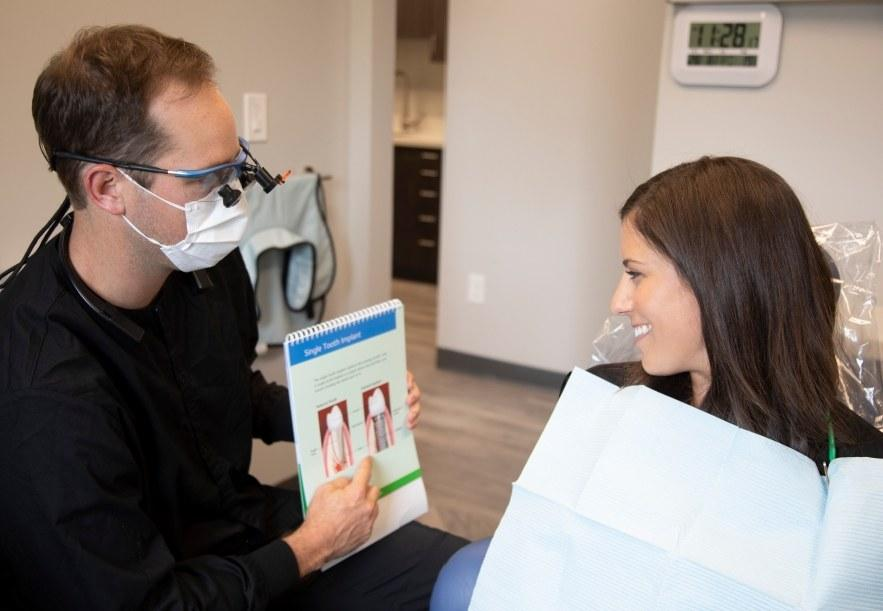
Losing a single tooth can affect your smile, chewing ability, speech, and confidence. Fortunately, modern dentistry provides several ways to replace a missing tooth, and implants are one of the most established options.
An Individual Tooth Implant is designed to replace one missing tooth without requiring neighboring natural teeth to support the restoration. It combines an implant post, an abutment, and a custom dental crown to create a replacement that can look and function much like a natural tooth.
Before choosing this treatment, it is helpful to understand how the procedure works, its benefits, candidacy requirements, recovery process, and long-term care.
What Is an Individual Tooth Implant?
An Individual Tooth Implant is a replacement solution for a single missing tooth. Unlike a traditional dental bridge, which generally uses neighboring teeth for support, an implant is placed directly into the jawbone.
The implant post serves as an artificial tooth root. After the surrounding bone has healed and integrated with the implant, a custom crown is attached to complete the restoration.
The Main Components
An implant-supported replacement tooth typically has three parts:
- Implant post: Placed into the jawbone and designed to replace the tooth root.
- Abutment: Connects the implant post to the dental crown.
- Dental crown: The visible portion of the restoration, designed to resemble a natural tooth.
Together, these components create a stable replacement for a missing tooth.
How Does an Individual Tooth Implant Work?
The treatment process usually takes place over multiple stages. The exact timeline depends on your oral health and individual treatment plan.
Step 1: Initial Consultation
Your dentist will examine your teeth, gums, and jawbone. Dental X-rays or three-dimensional imaging may be used to evaluate the available bone and surrounding structures.
Your dentist will also discuss your dental history, treatment goals, and any concerns you have about the procedure.
Step 2: Treatment Planning
Once your oral health has been evaluated, your dentist can create a personalized treatment plan.
The plan may include tooth extraction if the damaged tooth is still present. If insufficient bone is available, bone grafting or another preparatory procedure may be recommended before implant placement.
Step 3: Implant Placement
During the implant procedure, the dentist places the implant post into the jawbone at the location of the missing tooth.
The area is typically treated with local anesthesia, and sedation may be available depending on the practice and patient’s needs.
Step 4: Healing and Osseointegration
After placement, the implant needs time to heal and integrate with the surrounding jawbone. This process is known as osseointegration.
The healing period varies between patients. Your dentist will determine when the implant is ready for the next stage of treatment.
Step 5: Abutment and Crown Placement
Once the implant has adequately healed, an abutment is connected to it. A custom dental crown is then created to match the appearance of your surrounding teeth.
The completed restoration is designed to provide a natural-looking appearance and comfortable function.
Benefits of an Individual Tooth Implant
Choosing an Individual Tooth Implant can provide several advantages for eligible patients.
Natural-Looking Appearance
One of the primary goals of implant treatment is to create a restoration that blends with your natural smile.
The crown can be customized to match the color, shape, size, and proportions of your surrounding teeth.
Stable Tooth Replacement
Because the implant is anchored into the jawbone, it can provide a stable foundation for the replacement crown.
This stability can make everyday activities such as eating and speaking feel more natural.
Preserves Neighboring Teeth
A traditional bridge typically requires support from neighboring teeth. An individual implant does not generally require those adjacent teeth to be prepared for crowns.
This allows the surrounding natural teeth to remain independent.
Supports Jawbone Structure
Following tooth loss, the bone around the missing tooth can gradually deteriorate. An implant provides stimulation to the jawbone that can help maintain bone structure around the implant site.
Long-Term Solution
With proper oral hygiene and professional dental care, an implant restoration can provide a durable solution for replacing a missing tooth.
However, the longevity of an implant depends on factors such as oral hygiene, gum health, lifestyle, and regular dental care.
Who Is a Good Candidate?
Not everyone is immediately ready for implant treatment. Your dentist will evaluate several factors before recommending an implant.
Adequate Jawbone
The implant needs sufficient bone support to remain stable. Patients with significant bone loss may require bone grafting before implant placement.
Healthy Gums
Healthy gum tissue is important for maintaining the tissues around an implant. Existing gum disease should generally be addressed before implant treatment.
Good Oral Hygiene
Long-term implant maintenance requires consistent oral hygiene. Patients should be prepared to brush, clean between their teeth, and attend regular dental appointments.
Overall Health
Your dentist will also consider your medical history and any factors that could affect healing. Always provide your dental professional with accurate information about medications and existing health conditions.
What Does an Individual Tooth Implant Cost?
The cost of an individual implant varies based on several factors. These may include the implant system, crown material, diagnostic imaging, dentist’s fees, and whether additional procedures are necessary.
For example, bone grafting, tooth extraction, or treatment for gum disease can increase the overall treatment cost.
Rather than focusing only on the price of the implant itself, ask for an itemized treatment estimate that includes the complete process from consultation through final restoration.
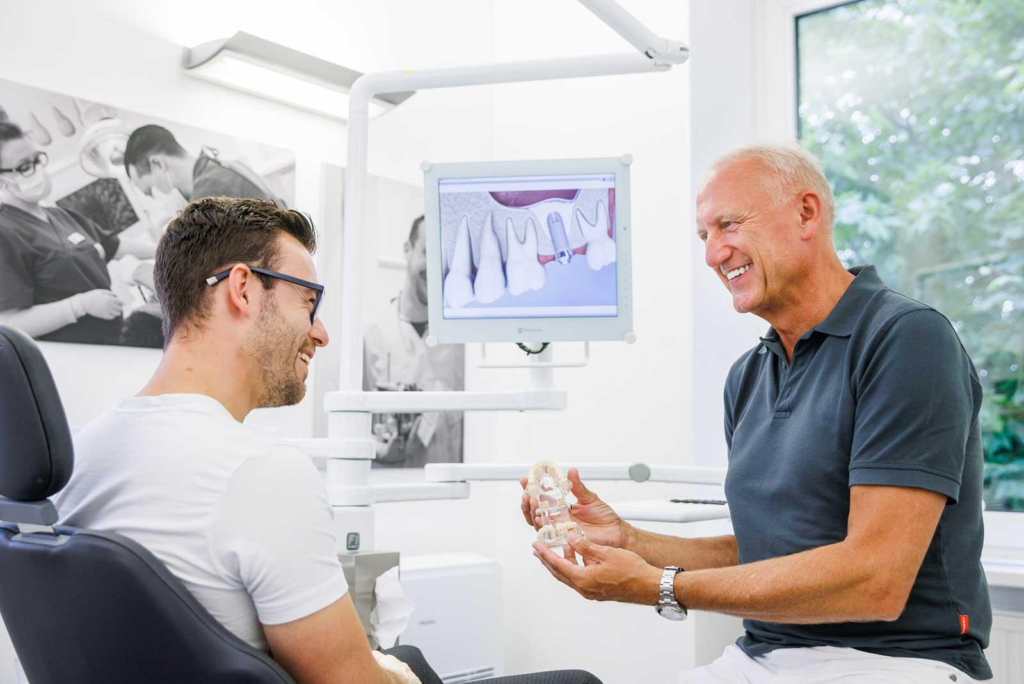
How Long Does the Treatment Take?
An Individual Tooth Implant is generally not completed in a single appointment. The total treatment time depends on your oral health, whether an extraction or bone graft is required, and how quickly your jawbone heals.
Some patients may complete treatment within several months, while others may require additional healing time.
Your dentist can provide a more accurate timeline after examining your teeth and jawbone.
What Is Recovery Like?
Some tenderness, swelling, or mild discomfort may occur after implant placement. Your dental provider will give you specific instructions for managing your recovery.
You may initially need to eat softer foods and avoid putting unnecessary pressure on the treatment area.
Following post-treatment instructions carefully can help support proper healing.
See also: Electric Main Switch Board: A Practical Guide to Main Power Distribution, Safety and Selection
Tips for Supporting Recovery
- Follow your dentist’s instructions carefully.
- Maintain good oral hygiene as recommended.
- Avoid smoking or tobacco products if advised by your dental professional.
- Choose appropriate foods during the initial healing period.
- Attend scheduled follow-up appointments.
- Contact your dentist if you experience unusual or persistent symptoms.
How to Care for Your Individual Tooth Implant
Once your restoration is complete, caring for your implant is similar in many ways to caring for your natural teeth.
Brush twice daily and clean between your teeth regularly. Your dentist may recommend specialized floss, interdental brushes, or other cleaning tools depending on your needs.
Routine dental examinations are also important. During these appointments, your dentist can evaluate the implant, crown, gums, and surrounding teeth.
Avoid using your teeth to open packages or chewing extremely hard objects, as these habits can damage dental restorations.
Individual Tooth Implant vs. Dental Bridge
Both implants and bridges can replace a missing tooth, but they work differently.
An implant replaces the tooth root and supports its own crown. A traditional bridge fills the gap using neighboring teeth as support.
An implant may be attractive to patients who want to preserve their adjacent teeth and have adequate bone support. A bridge may be appropriate for patients who prefer a faster treatment process or are not candidates for implant surgery.
Your dentist can compare both options based on your specific oral health and treatment goals.
Final Thoughts
An Individual Tooth Implant can provide a stable and natural-looking way to replace one missing tooth. By replacing both the visible tooth and its root structure, an implant can help restore appearance and everyday oral function while keeping neighboring teeth independent.
However, implant treatment is not right for everyone. Your jawbone health, gums, oral hygiene, medical history, and treatment expectations all play a role in determining candidacy.
If you are considering replacing a missing tooth, schedule a consultation with a qualified dental professional. Ask about your treatment options, expected timeline, recovery, maintenance, and total cost. A personalized evaluation can help you determine whether an individual implant is the right solution for restoring your smile.