Choosing the right treat can make a difference to a pet’s daily routine, especially when you want a simple animal-based option. Freeze dried turkey liver provides naturally occurring protein, vitamin A, B vitamins, iron, and copper in a lightweight form that is easy to store and serve. Wild Instinct Pet offers pet owners an option to consider when comparing freeze-dried treats made with animal-based ingredients. Since liver is nutrient-dense, serving size and safe handling deserve attention. Knowing how it is processed, stored, and added to a balanced diet can help you make a sensible choice for your dog or cat.
What Makes Turkey Liver a Nutrient-Rich Treat?
Turkey liver is an organ meat with a naturally concentrated nutritional profile. It provides protein along with several vitamins and minerals that support normal body functions. Vitamin B12, for example, contributes to healthy blood cells and normal nervous system function. Iron supports oxygen transport, while vitamin A is involved in vision, immune function, and other biological processes. Copper also contributes to normal connective tissue formation and iron metabolism.
The nutritional value does not mean a pet needs large quantities. Liver is best viewed as a supplemental food or treat. A complete and balanced pet food should remain the foundation of the diet. The exact nutritional content can vary between products, so pet owners should check the package label for serving information, calories, ingredients, and guaranteed analysis.
How Freeze-Drying Changes the Product
Freeze-drying removes much of the moisture from food after it has been frozen. This produces a dry, lightweight treat that can be stored more conveniently than fresh liver. The low-moisture format also makes it easy to break the treat into small pieces for training or occasional rewards. Since most of the water has been removed, however, the nutrients and calories become more concentrated by weight.
Freeze-drying should not be confused with cooking. Depending on the manufacturing process, harmful microorganisms may still be a concern. The FDA advises pet owners to handle freeze-dried and other pet foods carefully and to wash their hands after handling pet food or treats. For that reason, follow the product’s storage and handling directions rather than assuming that a dry treat requires no food-safety precautions.
Nutritional Benefits Worth Considering
A small serving of turkey liver can provide several nutrients while also offering a strong meat flavor that many pets enjoy. This makes it useful as an occasional treat or training reward.
Some nutritional features include:
- Protein: Supplies amino acids that help support normal body maintenance.
- Vitamin A: Contributes to normal vision, immune function, and other physiological processes.
- Vitamin B12: Supports normal blood and nervous system functions.
- Iron: Plays a role in oxygen transport throughout the body.
- Copper: Supports several normal metabolic processes.
- Natural flavor: The strong taste of organ meat can make small pieces appealing to many dogs and cats.
These nutrients are already available in many complete pet foods. The value of a liver treat is often its taste, convenience, and ability to add variety rather than its need to supply a pet’s entire nutritional requirement.
Finding the Right Serving Size
Portion size is one of the most important considerations with liver treats. Because liver contains concentrated amounts of certain nutrients, feeding large quantities regularly is not a sensible approach. The right serving depends on the pet’s size, age, activity level, overall diet, and the specific product. A large dog and a small cat should not automatically receive the same amount.
Start with the feeding guidance provided on the package. Small pieces can also be used during training so that the pet receives several rewards without consuming a large quantity. Treats should remain a limited part of the daily diet. If your pet has a medical condition, follows a prescription diet, or has specific nutritional restrictions, speak with a veterinarian before introducing liver treats.
Food Safety Still Matters
Dry treats can seem less risky because they contain little moisture, but they should still be handled responsibly. The FDA has issued recalls involving freeze-dried pet treats because of possible Salmonella contamination, which shows why checking product information and following safe handling practices matters. Keep the product in its original packaging whenever possible. The package can contain useful information such as the ingredient list, lot number, expiration or best-by date, and manufacturer’s contact details. Wash your hands with soap and water after handling pet food or treats. Keep pet food away from surfaces used to prepare human meals, and clean bowls and utensils regularly. Store freeze-dried liver according to the package instructions. A cool, dry location is generally preferable, and the package should be properly sealed after opening to help protect the contents from moisture.
What to Check Before Buying
The ingredient list should be one of the first things you examine. If you want a single-ingredient treat, check that the label clearly identifies the ingredient without unnecessary fillers or flavoring. You can also review the guaranteed analysis and calorie information. This helps you understand how the treat fits into your pet’s daily intake.
Other useful details include:
- Clear ingredient labeling
- Feeding recommendations
- Lot or batch information
- Best-by or expiration date
- Storage instructions
- Manufacturer contact information
- Packaging designed to protect the food from moisture
Wild Instinct Pet is one brand pet owners can research while comparing freeze-dried options. Looking beyond the front of the package and reading the full label makes it easier to compare products based on actual ingredients and feeding information.
A Convenient Option for Training
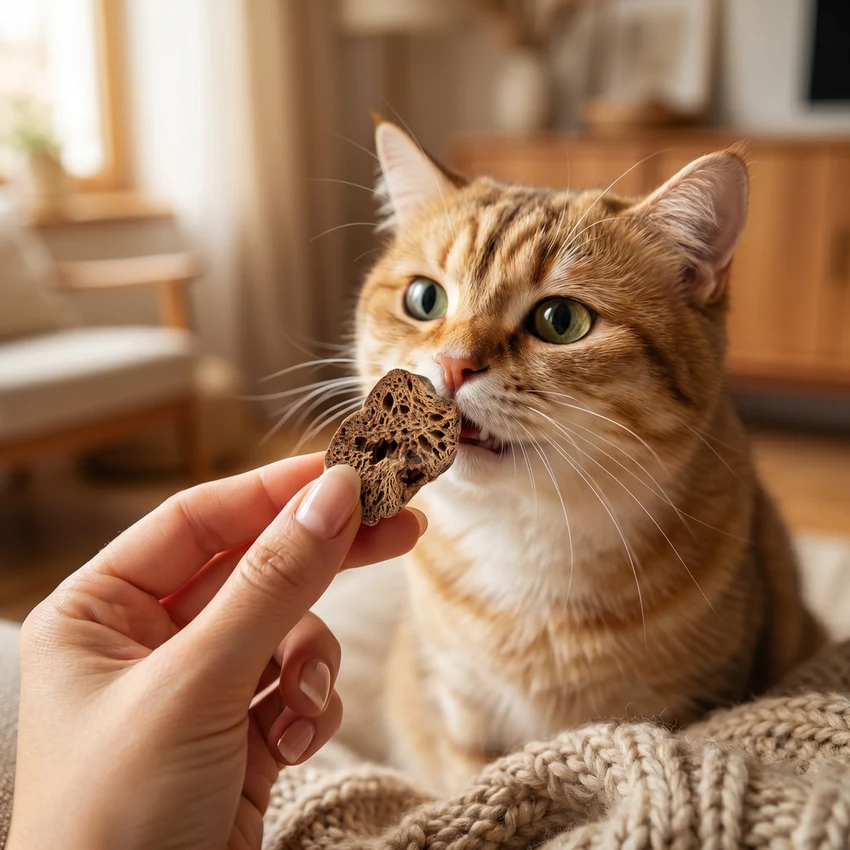
Freeze dried turkey liver can work well as a training reward because it has a strong natural aroma and can often be broken into smaller pieces. For dogs, tiny pieces can be used during obedience practice, recall training, leash work, or other positive-reinforcement exercises. Cats may also respond well to small liver pieces during handling, carrier training, or other activities where food rewards are useful.
There is no need to give a large piece after every successful behavior. Small portions can provide the reward while keeping the overall treat intake under control. For pets that are new to liver treats, begin with a small amount. Watch for digestive changes or other unusual reactions. If your pet develops persistent vomiting, diarrhea, itching, or another concerning symptom, stop feeding the treat and contact a veterinarian.
Storing Freeze-Dried Liver Properly
Good storage helps maintain the quality of freeze-dried treats after opening. Moisture is one of the main concerns because it can affect the texture and shelf life of a dry product. Keep the package closed when the treat is not being used. Store it in a dry area away from heat, direct sunlight, and humidity. Avoid transferring the treats into an unlabelled container if doing so would mean losing important information such as the lot number or expiration date. It is also wise to inspect the product before serving. If the package is damaged, the product has an unusual smell or appearance, or the best-by date has passed, do not feed it.
Fitting Liver Treats Into a Balanced Diet
A treat should complement a pet’s regular food rather than replace it. Dogs and cats need a balanced diet that provides the right combination of protein, fats, carbohydrates, vitamins, and minerals for their life stage. Adding a small amount of liver can provide variety, but increasing the amount simply because a pet enjoys it can upset the nutritional balance. This is especially relevant for pets that already receive vitamin or mineral supplements.
Wild Instinct Pet can be part of the comparison process for owners interested in freeze-dried animal-based treats, but the right product still depends on the individual pet. Age, body size, activity level, allergies, existing diet, and health history all deserve consideration.
See also: ERISA Claim Deadlines in California: Important Rules Employees Should Know
Making Liver Treats Part of a Pet’s Routine
For most healthy pets, a small liver treat can be used in several practical ways. It can serve as a reward during training, a small addition to mealtime, or an occasional treat between meals. mKeep portions modest and introduce new foods gradually. This makes it easier to identify whether a particular treat agrees with your pet. Pets with specific dietary needs may require a more cautious approach. A veterinarian can help determine whether organ-meat treats are appropriate and how they may fit within the animal’s existing feeding plan. The simple approach is often the safest: choose a clearly labelled product, follow serving guidance, store it correctly, and treat liver as an occasional addition rather than a primary food.
A Practical Choice for Pet Owners
Freeze dried turkey liver offers a convenient way to give dogs and cats an animal-based treat with naturally occurring nutrients. Its concentrated nutritional profile makes portion control important, while responsible storage and handling help support food safety. Before buying, check the ingredients, feeding instructions, storage requirements, and product information. Consider your pet’s existing diet as well, especially if they have dietary restrictions or health concerns.
Wild Instinct Pet provides another option for pet owners researching freeze-dried treats and comparing products based on ingredients and quality information. Give your pet a simple, meat-based treat they can enjoy as part of a balanced routine. Explore Wild Instinct Pet today and find a freeze-dried option that fits your pet’s needs.