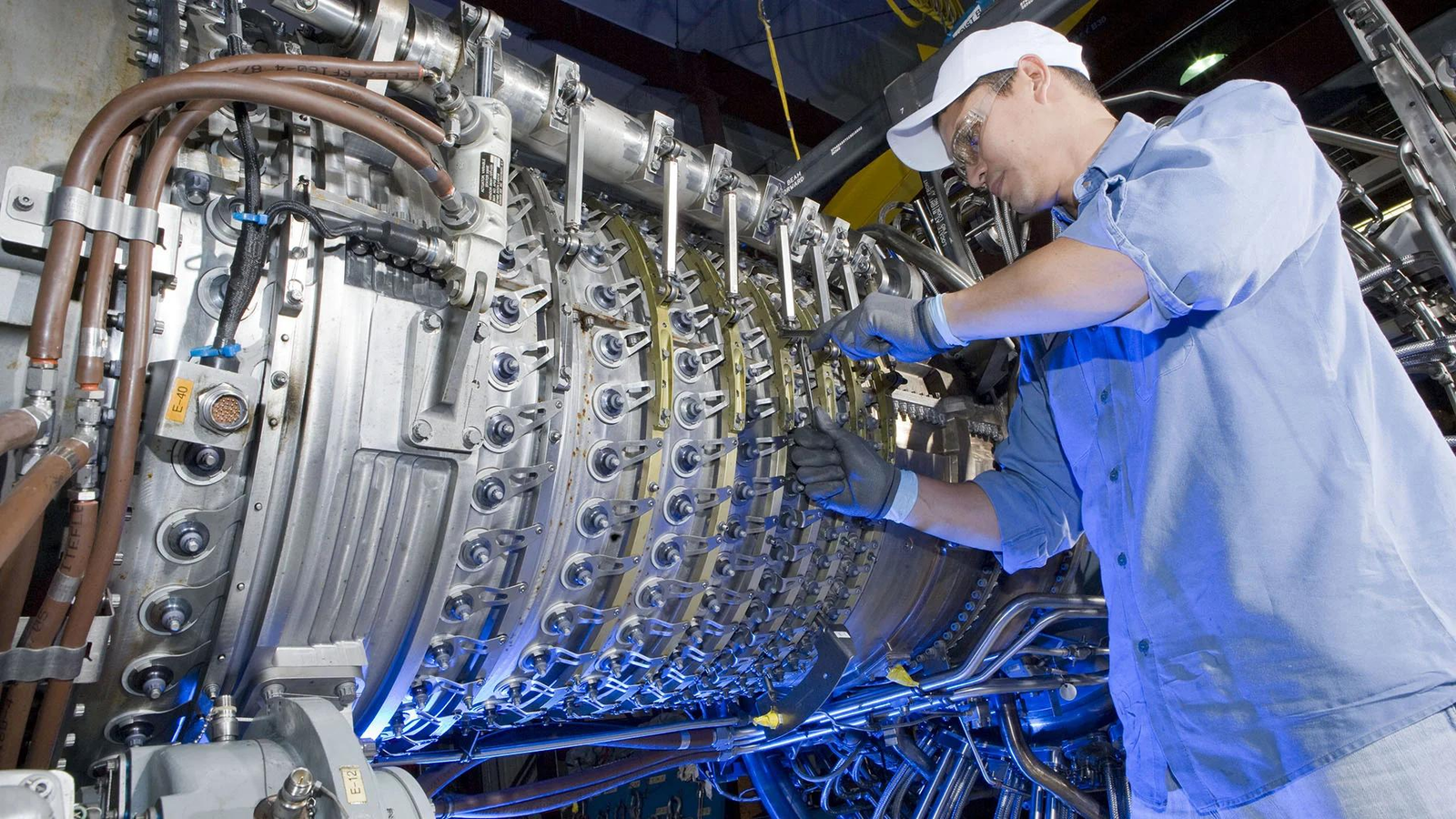
Industrial turbines depend on precise fuel delivery to maintain stable combustion, consistent efficiency, and reliable operation. Fuel nozzles are small components with a significant influence on turbine performance because they control how fuel is introduced into the combustion system. Over time, exposure to heat, pressure, vibration, and contaminants can affect nozzle condition, making timely inspection and repair an essential part of equipment upkeep.
Fuel nozzle repair services focus on restoring the operating condition of worn or damaged nozzles through detailed inspection, cleaning, measurement, and controlled repair procedures. Rather than replacing every component automatically, technicians evaluate the actual condition of the nozzle and determine whether restoration is technically appropriate. This approach helps maintain equipment reliability while supporting planned maintenance schedules.
The purpose of fuel nozzles in turbine systems
A fuel nozzle delivers fuel into the combustion chamber in a carefully controlled spray pattern. The shape, direction, and consistency of that spray directly affect combustion quality. Even minor deviations in nozzle geometry can influence flame stability, fuel distribution, emissions, and operating temperatures.
Industrial gas turbines, steam-related power systems with fuel combustion equipment, and various energy generation units rely on properly functioning nozzles to maintain predictable operation. Because these components operate under demanding conditions, they are regularly exposed to thermal cycling and deposits that gradually alter their performance.
A damaged nozzle does not always fail suddenly. In many cases, performance changes develop gradually, making regular inspections valuable for identifying wear before it develops into a larger operational issue.
Common causes of fuel nozzle deterioration
Several operating conditions contribute to nozzle wear and damage. Understanding these factors helps maintenance teams identify why repairs are required and how future deterioration may be reduced.
Heat exposure and thermal cycling
Repeated heating and cooling create stress within metal components. High combustion temperatures can gradually affect material properties, especially around precision openings and thin sections of the nozzle. Thermal cycling may also contribute to small surface cracks that require careful inspection.
Carbon and deposit buildup
Fuel quality and combustion conditions can lead to carbon accumulation around nozzle passages. Deposits may restrict fuel flow or alter the spray pattern, reducing combustion consistency. Controlled cleaning is often performed before determining whether further repair is necessary.
Erosion from continuous operation
High-velocity fuel flow can gradually wear internal passages and nozzle tips. Erosion changes the dimensions of precision openings, which may affect fuel atomization. Measuring these areas is an important part of evaluating component conditions.
Corrosion and contamination
Moisture, chemical exposure, and contaminants introduced through the fuel system can contribute to corrosion. Internal contamination may also block narrow passages, creating uneven fuel delivery and inconsistent combustion behavior.
What happens during a professional inspection
A repair process begins with a detailed examination rather than immediate restoration. Technicians inspect the nozzle using visual assessment, dimensional measurement, and specialized testing methods to determine its overall condition.
The first stage usually involves external cleaning to remove deposits and residue. Once the surface is prepared, the component can be examined for cracks, distortion, wear, and other visible defects. Precision measurement tools are then used to compare critical dimensions with acceptable engineering specifications.
Flow characteristics may also be evaluated to determine whether fuel passages remain within operational limits. These tests help identify restrictions or irregularities that cannot be detected through visual inspection alone.
Documentation is another important part of the inspection process. Recording measurements and observed wear provides maintenance teams with useful information for future service planning and equipment history.
Repair methods used for damaged fuel nozzles
Different repair procedures are selected according to the condition of the component. The objective is to restore acceptable operating characteristics without compromising the integrity of the nozzle.
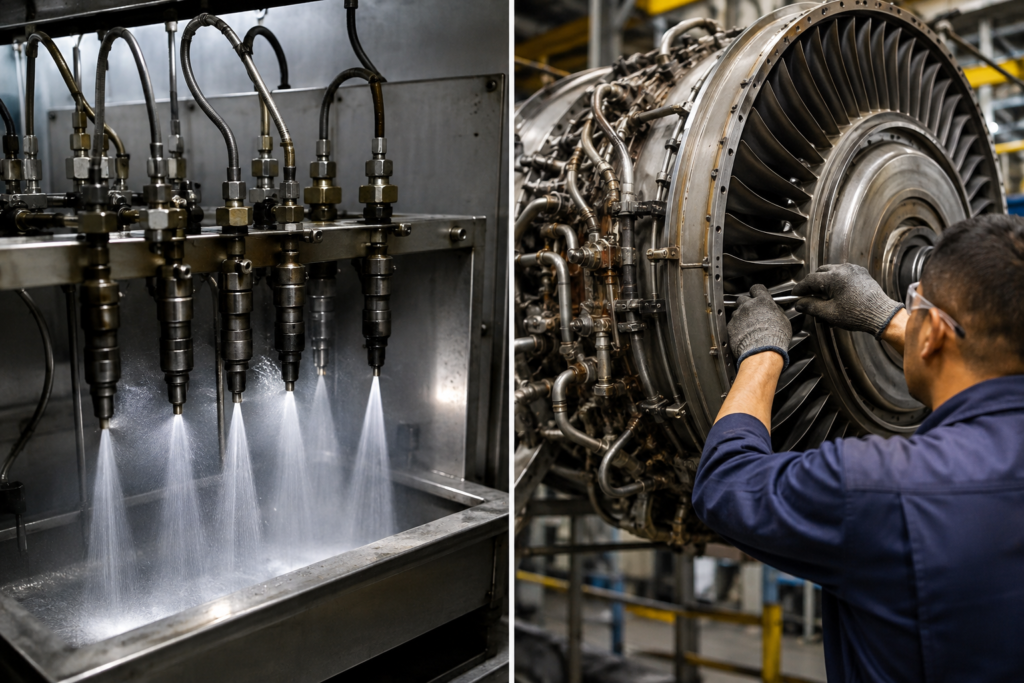
Cleaning methods are commonly used to remove carbon, varnish, and accumulated deposits from internal and external passages. Depending on the material and contamination level, specialized cleaning techniques may be applied to preserve delicate surfaces.
Minor surface damage may be corrected through controlled machining or precision finishing where engineering specifications allow. Worn areas are measured carefully throughout the process to avoid altering critical geometry beyond acceptable limits.
Crack detection is particularly important because not every damaged nozzle is suitable for repair. Components with structural defects that exceed repair criteria may need replacement instead of restoration. The decision is based on inspection results rather than appearance alone.
For facilities operating large power generation equipment, turbine fuel nozzle repair often includes detailed testing after restoration to verify flow performance and dimensional accuracy before the component is returned to service.
Why maintenance schedules matter
Routine fuel nozzle maintenance helps identify developing wear before it affects turbine performance. Planned inspections allow maintenance teams to monitor component condition during scheduled shutdowns rather than responding only after operational problems appear.
Preventive maintenance commonly includes cleaning, dimensional inspection, flow evaluation, and documentation of service history. Comparing inspection records over multiple maintenance cycles helps engineers identify recurring wear patterns and make informed decisions regarding replacement intervals.
Maintenance schedules vary according to operating hours, fuel characteristics, equipment design, and manufacturer recommendations. A nozzle operating continuously under demanding conditions may require more frequent inspection than one used intermittently.
Well-documented maintenance also supports better inventory planning because facilities can estimate future repair and replacement requirements based on actual component condition rather than assumptions.
Steam turbine applications and nozzle considerations
Although combustion fuel systems are more commonly associated with gas turbines, power generation facilities may also require specialized steam turbine fuel nozzle repair for auxiliary combustion equipment connected with steam generation processes. These applications involve different operating environments and engineering requirements depending on the equipment design.
The repair process still emphasizes precision measurement, contamination removal, structural inspection, and performance verification. Each component is evaluated according to its intended operating conditions rather than applying a single repair method across every system.
Engineering drawings and manufacturer specifications remain important references throughout the inspection and restoration process. Maintaining original design tolerances helps ensure the repaired component performs as intended within the larger turbine system.
Repair versus replacement decisions
One of the most common maintenance decisions involves determining whether a nozzle should be repaired or replaced. This decision depends on measurable component conditions rather than age alone.
A repair may be appropriate when wear is limited, structural integrity remains acceptable, and critical dimensions can be restored within engineering tolerances. Replacement becomes necessary when damage affects the safety, reliability, or intended operating characteristics of the component.
Facilities often compare inspection findings with operational requirements before making this decision. Service history, previous repairs, expected operating hours, and equipment criticality may all influence maintenance planning.
The goal is not simply extending component life but ensuring dependable performance within approved operating limits.
Understanding related injector replacement costs
Maintenance discussions sometimes include the fuel injector nozzle replacement cost, particularly when organizations compare restoration expenses with purchasing new components. Replacement pricing varies according to nozzle design, material, manufacturing complexity, equipment model, and availability of replacement parts.
A cost comparison should include more than the purchase price of a new component. Inspection requirements, repair feasibility, testing procedures, installation labor, and equipment downtime may all influence the overall maintenance decision.
For this reason, engineering evaluation usually occurs before financial comparison. A lower initial price does not necessarily represent the most suitable option if the component does not meet required operating specifications or if unnecessary replacement increases maintenance expenditure.
See also: Electric Main Switch Board: A Practical Guide to Main Power Distribution, Safety and Selection
Selecting qualified repair specialists
Repair quality depends heavily on technical capability and adherence to documented procedures. Qualified specialists typically use calibrated measurement equipment, controlled cleaning processes, inspection techniques, and performance testing appropriate for precision turbine components.
Experience with specific turbine models can also be valuable because nozzle designs differ across manufacturers and applications. Repair procedures should follow approved engineering tolerances instead of generalized machining practices.
Facilities should also review inspection reports and service documentation provided after repair. Clear records describing component condition, measurements, performed procedures, and testing results support traceability and future maintenance planning.
Building long-term equipment reliability
Reliable turbine operation depends on consistent attention to critical components, including precision fuel delivery hardware. Regular inspections, accurate measurements, appropriate cleaning, and technically sound repairs help maintenance teams manage component wear throughout the service life of their equipment.
Fuel nozzle repair services provide a structured process for evaluating damaged or worn nozzles and determining the most appropriate maintenance action based on engineering condition. By combining inspection data with scheduled maintenance practices, industrial facilities can make informed decisions that support dependable combustion performance, efficient equipment operation, and well-documented maintenance management over time.