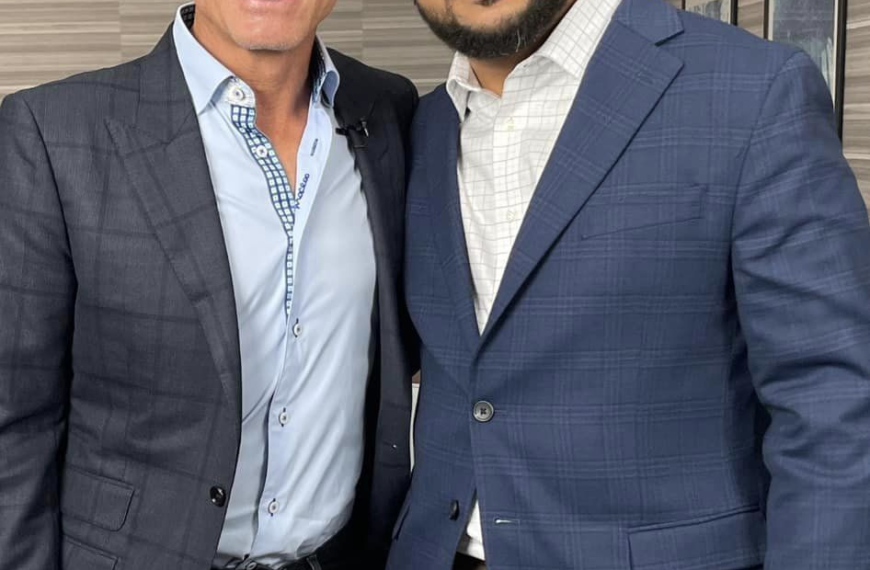
Michael Ricklefs, who had also been known as Mike Ricklefs, had built his professional career around entrepreneurship, freight brokerage, logistics, and business leadership. His name had become closely associated with King of Freight, a Wichita, Kansas-based freight brokerage that had grown from a small startup into a large transportation business.
Ricklefs had started King of Freight in 2008 from his apartment, using a laptop to establish the business. Over the years, the company had expanded its workforce, customer relationships, carrier network, technology, office space, and geographic reach. By 2018, King of Freight had nearly 200 employees and had become one of the larger freight brokerages in Wichita.
His professional journey had reflected the challenges of building a freight business in an industry where communication, transportation capacity, customer relationships, operational efficiency, and adaptability had all influenced success.
The Early Career of Michael Ricklefs
Michael Ricklefs had entered the freight industry with an entrepreneurial approach. In 2008, he had founded King of Freight and had initially operated the business from his apartment.
The early operation had been relatively small. Ricklefs had needed to handle many of the responsibilities involved in establishing a freight brokerage, including finding customers, developing carrier relationships, arranging shipments, and managing daily business operations.
King of Freight had followed a brokerage model rather than operating primarily as a traditional trucking company. The company had connected businesses that needed to transport products with trucking companies and drivers that could move those shipments.
This approach had allowed the business to provide transportation solutions without requiring it to maintain a large fleet of its own trucks.
How King of Freight Had Developed
The growth of King of Freight had been driven by the increasing number of businesses using freight brokers to arrange transportation.
A freight brokerage had acted as an intermediary between shippers and carriers. A company with products that needed transportation could have provided shipment details to the broker, while the broker had worked to identify a suitable carrier.
The process had involved more than matching a shipment with a truck. Freight brokers had needed to consider pickup locations, delivery schedules, equipment requirements, shipment dimensions, pricing, carrier availability, and customer expectations.
Michael Ricklefs had built King of Freight around these requirements and had gradually developed the company into a larger operation.
Growing From an Apartment-Based Business
The early growth of King of Freight had been particularly notable because the business had started from such a modest base.
By 2015, the company had grown to approximately 40 employees and had reported significant increases in gross sales, profits, and employee numbers during the preceding years. At that time, Ricklefs had described the company as having more than doubled in size repeatedly.
By 2018, King of Freight had approximately 500 employees and had expanded its downtown Wichita office footprint. The company had also entered the top 100 North American freight brokerages based on reported industry rankings.
The growth had required Ricklefs to move from the hands-on responsibilities of a startup founder toward broader leadership and organizational management.
Michael Ricklefs and Business Leadership
As King of Freight had grown, Michael Ricklefs had become increasingly focused on leadership, business development, operational management, and team building.
A small freight brokerage could have operated through direct communication between a founder, customers, and carriers. A company with hundreds of employees had required more structured systems.
Employees had needed defined responsibilities, managers had needed clear performance expectations, and operational teams had needed processes for handling shipments and communicating with customers.
Ricklefs had emphasized operational discipline, accountability, adaptability, and team development as important aspects of running a freight business. His professional background had included business formation, operational structuring, and leadership within logistics-focused organizations.
The Expansion of King of Freight in Wichita
Wichita had remained an important part of Michael Ricklefs’ business journey.
The city’s manufacturing, aviation, agricultural, distribution, and commercial sectors had created demand for freight transportation. King of Freight had benefited from being located within an active business community while also serving customers outside Kansas.
In 2018, the company had continued expanding its downtown presence. It had leased additional space in the Ruffin Building while also maintaining space in other downtown buildings. Ricklefs had expressed plans for continued hiring as the company grew.
The expansion had demonstrated how quickly the company had developed from its original apartment-based operation.
The WaterWalk Expansion
One of the biggest milestones in King of Freight’s history had been its move into the former Gander Mountain building at Wichita’s WaterWalk.
In 2019, the company had approximately 535 employees and had planned to move into the large vacant building. The company had committed to adding at least 400 additional jobs in Wichita as part of the expansion.
The move had provided King of Freight with significantly more space for its growing workforce.
The building had eventually become an important part of the company’s Wichita operation. By 2021, the company had required almost the entire 90,000-square-foot facility as its workforce grew.
For Michael Ricklefs, the expansion had represented a major stage in the development of the company he had started more than a decade earlier.
Freight Brokerage and Customer Relationships
King of Freight had operated by connecting companies needing transportation with trucking firms and truck drivers capable of moving their freight.
This model had placed customer relationships at the center of the company’s operations.
Businesses had needed freight brokers that could locate transportation capacity, communicate shipment information, coordinate pickup and delivery, and respond when transportation problems occurred.
A shipment could have been affected by traffic, weather, equipment availability, driver schedules, warehouse delays, or changes in customer requirements. Freight brokers had therefore needed to respond quickly when circumstances changed.
Michael Ricklefs had built his business around this type of operational environment, where customer communication and carrier relationships had been important to maintaining service.
Technology in Freight Operations
Technology had also become an increasingly important part of freight brokerage.
As shipment volumes increased, freight companies had needed better systems for managing loads, matching carriers, communicating with customers, and tracking transportation activity.
King of Freight had invested in technology to support its operations. By 2022, Ricklefs had discussed developing load-matching software that could help drivers find additional loads after completing deliveries.
The concept had focused on improving efficiency by identifying potential reloads near a driver’s delivery location.
For example, a driver delivering a shipment in one city could have been matched with another available shipment nearby instead of returning without a load.
This type of technology had demonstrated how freight brokerage could use software to improve transportation utilization.
Managing Growth During Changing Freight Markets
Michael Ricklefs had built King of Freight through several different freight market conditions.
The transportation industry had experienced changes in demand, carrier capacity, pricing, fuel costs, labor availability, and customer requirements.
The pandemic period had created particularly unusual conditions for freight transportation. Demand and supply had shifted rapidly, creating opportunities for some freight companies while also creating operational challenges.
In 2022, King of Freight had approximately 560 employees, including 274 brokers, and the company had planned to hire another 200 to 300 workers. The company had also reported substantial sales growth following the surge in freight activity during the pandemic period.
Managing such growth had required the company to balance recruitment with service quality and operational consistency.
Building a Larger Team
The growth of King of Freight had required Michael Ricklefs to develop a much larger organizational structure.
The company had moved from a small founder-led business into an organization with hundreds of employees. Brokers, operations employees, managers, customer service teams, administrative staff, and other professionals had all contributed to the company’s daily operations.
Ricklefs had recognized that increasing employee numbers alone did not guarantee business growth. The quality of employees and the effectiveness of internal systems had also mattered.
As the company expanded, management had needed to maintain communication and operational standards across a much larger workforce.
Expansion Beyond Wichita
King of Freight had eventually expanded beyond its Wichita headquarters.
In 2025, the company had expanded into Addison, Texas, while also establishing operations in Little Rock, Arkansas, and Tampa, Florida. At the time, the Wichita headquarters had employed approximately 600 people.
The expansion had demonstrated that King of Freight had developed beyond its original local market.
Opening operations in new locations had required recruiting employees, establishing management structures, developing customer relationships, and creating carrier networks.
Despite the expansion, Ricklefs had continued to identify Wichita as the company’s headquarters and had discussed additional growth within the city.
The Professional Identity of Michael Ricklefs
The name Michael Ricklefs had been used in formal professional references, while Mike Ricklefs had appeared frequently in business reporting.
The term michael ricklef had also appeared as an abbreviated or misspelled version of his name online, but the professional name associated with his career had been Michael Ricklefs.
His career had remained closely connected with freight brokerage, entrepreneurship, logistics, and King of Freight.
The company had provided the central platform through which Ricklefs had developed his business leadership experience.
Michael Ricklefs and Operational Discipline
Operational discipline had been particularly important in freight brokerage because the industry had depended on coordination between multiple parties.
A single shipment could have involved a shipper, broker, carrier, driver, warehouse, and final receiver.
Each party had needed accurate information about the shipment. A small communication problem could have resulted in a missed pickup or delivery appointment.
Ricklefs had emphasized the need for structured operations and reliable processes as King of Freight grew. His professional writings had described speed, transparency, consistency, and disciplined execution as important components of effective freight operations.
These principles had helped explain how the company had attempted to maintain service standards while expanding its workforce and geographic reach.
The Evolution of Michael Ricklefs’ Role
Michael Ricklefs’ role had changed significantly as King of Freight had developed.
In the early years, he had been directly involved in building the company and managing its daily operations. As the organization became larger, his focus had shifted toward leadership, strategy, business development, and organizational growth.
The company had eventually developed beyond the scale where a founder could personally oversee every shipment and employee.
This transition had required Ricklefs to establish leadership structures and processes that could operate across a larger organization.
The Growth of King of Freight
The development of King of Freight had represented a substantial change from the company Ricklefs had started in 2008.
The business had grown from an apartment-based startup into a freight brokerage with hundreds of employees, major office facilities, and operations in multiple markets.
The company’s growth had been supported by customer relationships, carrier connections, technology, employee development, and an expanding transportation network.
Its Wichita headquarters had remained a central part of its identity even as the company expanded into other states.
The Broader Impact of His Entrepreneurial Journey
Michael Ricklefs’ business journey had illustrated several aspects of entrepreneurship in the freight industry.
Starting a company had required identifying a market need and developing a workable business model. Growing that company had required customer acquisition, operational systems, employees, technology, and financial management.
Freight brokerage had also required adaptability because transportation conditions had changed frequently.
King of Freight had experienced periods of rapid growth, market volatility, office expansion, workforce expansion, and geographic expansion.
Ricklefs’ career had therefore reflected not only the opportunities within freight brokerage but also the operational challenges involved in scaling a logistics business.
See also: LinkedIn Ads: A Practical Guide to Reaching B2B Decision-Makers
Conclusion
Michael Ricklefs had built his professional identity around entrepreneurship, freight brokerage, logistics, and business leadership. His most significant business achievement had been the development of King of Freight, which he had founded in 2008 from his apartment with a laptop.
The company had grown steadily over the following years, expanding its workforce, office space, technology, customer base, and transportation network. Its growth had eventually taken it beyond Wichita into additional markets while maintaining Wichita as an important headquarters location.
The journey from a small apartment-based operation to a large freight brokerage had required more than business ambition. It had required customer relationships, carrier networks, technology, operational discipline, employee development, and the ability to respond to changing freight markets.
The name michael ricklef had appeared in some online references, but Michael Ricklefs had been the documented professional name associated with his career.
His connection with King of Freight had remained the defining part of his professional story and had placed him within the broader history of Wichita’s growing freight and logistics industry.