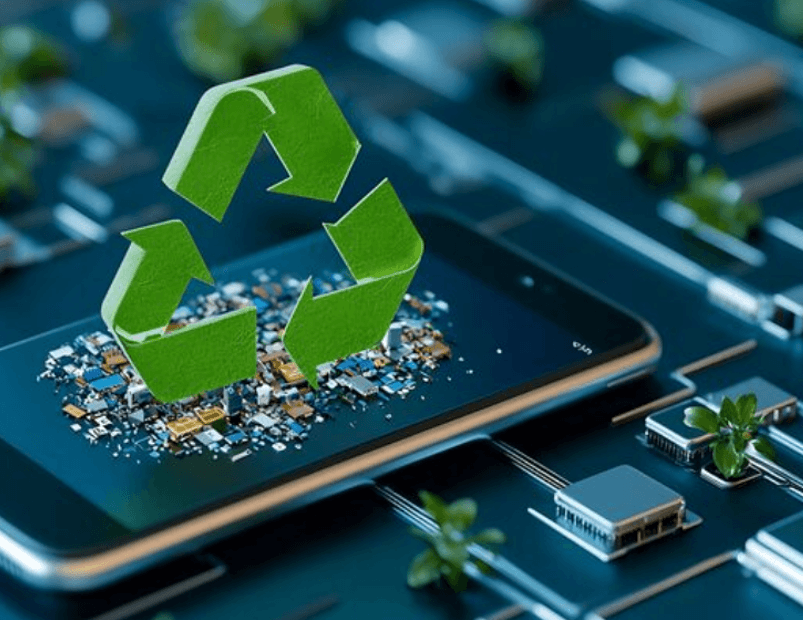
Businesses had accumulated electronic equipment as technology had changed. Old computers, monitors, printers, servers, phones, cables, and other devices had eventually required disposal. A professional e waste disposal service had helped organizations handle these materials through structured collection, sorting, recycling, and responsible processing.
Electronic waste had required specialized handling because devices contained recoverable materials and certain components that could not be treated like ordinary office waste.
What E-Waste Disposal Had Involved
E-waste disposal had included the collection and processing of unwanted electronic equipment.
Businesses had commonly disposed of computers, laptops, monitors, printers, networking devices, servers, telecommunications equipment, and accessories.
The correct disposal method depended on the condition and composition of each item.
Why General Waste Disposal Had Not Been Ideal
Electronic equipment contained materials that could be recovered through specialized processing.
Sending electronics to general waste streams could have resulted in valuable metals and components being lost.
Professional e-waste services had separated electronics from ordinary trash and directed them toward reuse or recycling where appropriate.
Collection and Transportation
A disposal program had often started with scheduled pickup.
Equipment could have been collected from offices, warehouses, data centers, schools, healthcare facilities, and other locations.
For large projects, providers could have organized pallets, containers, loading teams, and transportation schedules.
Proper handling during transportation had reduced the chance of equipment damage and loss.
Sorting and Assessment
Once equipment had reached a processing facility, it had been sorted.
Working or repairable equipment could have been directed toward refurbishment or resale.
Devices that had reached the end of their useful lives could have been dismantled for material recovery.
This assessment had helped ensure that reusable technology was not unnecessarily destroyed.
Data Security
Data-bearing electronics had required special attention.
Computers, servers, smartphones, and storage devices could have contained confidential information.
Before disposal or resale, organizations had needed to ensure that data had been securely removed.
A provider offering both e-waste processing and data destruction could have simplified this process.
Recycling Materials
Electronic devices had contained materials such as aluminum, copper, steel, plastics, glass, and other recoverable components.
Specialized recycling processes had separated these materials for further processing.
Material recovery had reduced the amount of electronic waste requiring final disposal.
Benefits for Businesses
A professional e-waste disposal program had helped businesses clear obsolete equipment while maintaining better records.
Companies could have received documentation showing which assets had been collected and processed.
This had been useful for internal asset management and environmental reporting.
Large-Scale E-Waste Projects
Large organizations had sometimes needed to dispose of thousands of devices at once.
Office closures, technology refreshes, mergers, and data center upgrades could have generated substantial quantities of e-waste.
Professional providers had been able to coordinate these projects more efficiently than ordinary waste services.
See also: Michael Ricklefs: Entrepreneurial Journey and Career in the Freight Industry
Conclusion
A professional e waste disposal service had helped businesses manage obsolete electronics responsibly. By combining collection, sorting, reuse, recycling, and secure data handling, organizations had been able to reduce waste and improve their technology disposal processes.
Responsible e-waste management had therefore become an important part of modern IT asset lifecycle planning.