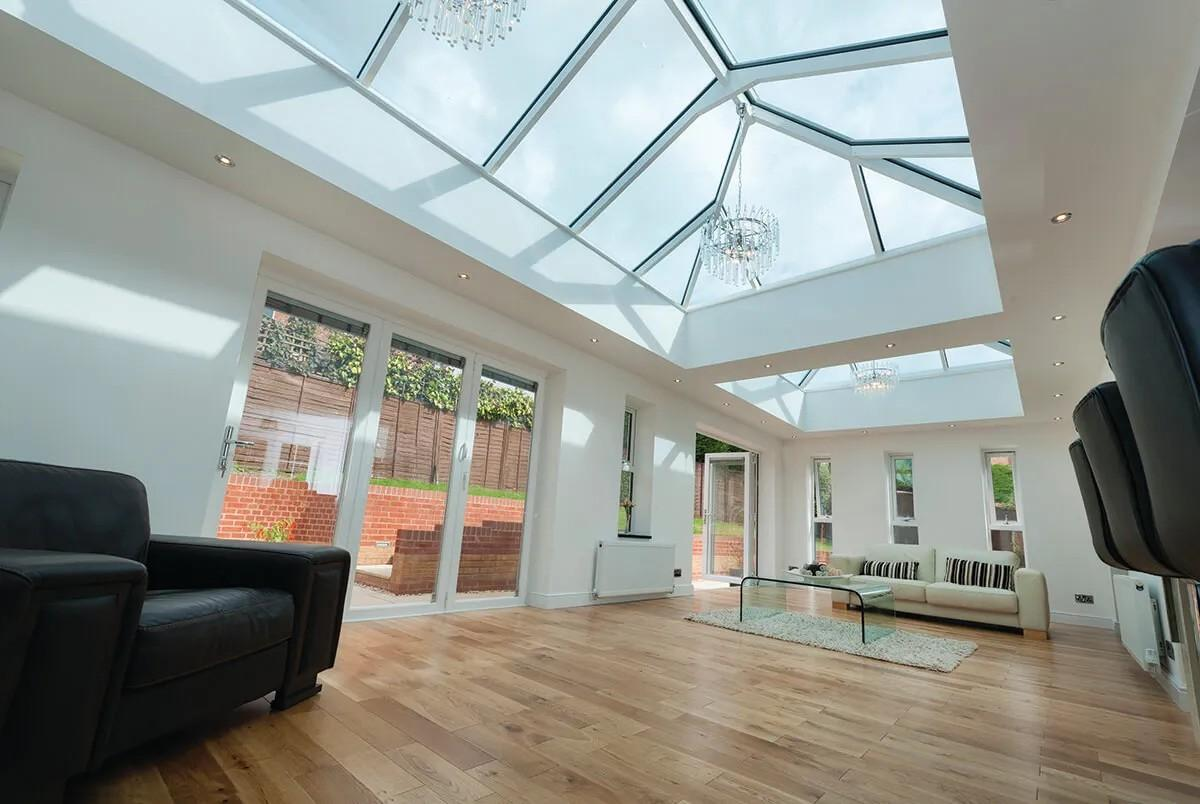
Natural light can change the character of a room, particularly in kitchens, extensions, dining areas, and open-plan living spaces. A roof lantern provides a way to bring daylight in from above while adding a distinctive architectural feature to the ceiling. Among the available designs, a glass roof lantern offers a combination of daylight, clean lines, and a strong visual connection with the outdoors.
Choosing the right roof lantern involves more than selecting a size and style. Glazing, frame materials, thermal performance, ventilation, installation requirements, and roof compatibility all affect the finished result. A little planning before purchase can help ensure that the lantern suits both the building and the people using the space.
How Roof Lanterns Change a Room
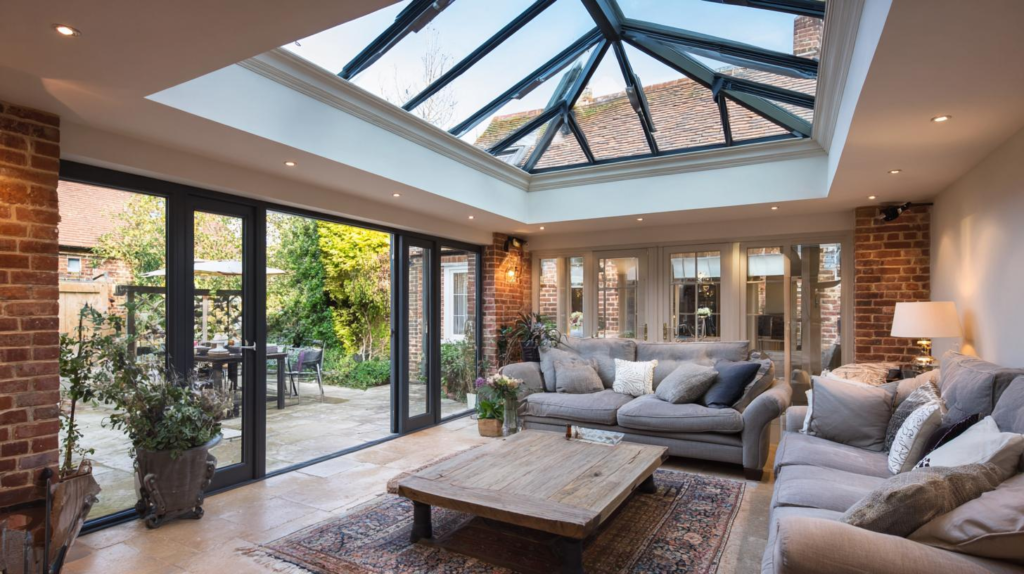
A roof lantern sits above a flat-roofed section, allowing sunlight to enter from several angles. This can make a room feel brighter without relying entirely on windows installed into external walls.
The raised structure also creates additional visual height. In an extension with a relatively low ceiling, this can prevent the space from feeling enclosed. A well-positioned lantern can become a central architectural feature above a dining table, seating area, kitchen island, or other focal point.
The amount of daylight entering the room depends on several factors, including the lantern’s dimensions, orientation, glazing specification, surrounding buildings, and roof position. Larger does not always mean better. An appropriately sized lantern can provide plenty of daylight while maintaining comfortable temperatures throughout the year.
Choosing the Right Glazing
Glazing is one of the most important parts of a roof lantern. Modern systems can use double or triple glazing, with different glass specifications available to control heat transfer, glare, and solar gain.
Low-emissivity glass can help reduce heat loss during colder months by reflecting warmth back into the room. Solar-control glazing may be useful where a roof lantern receives strong sunlight for long periods.
Safety also deserves attention. Roof glazing should be suitable for overhead applications and comply with applicable building requirements. Toughened or laminated glass may be specified depending on the system and installation conditions.
The frame should also be considered alongside the glass. Aluminium frames are commonly selected for their strength, slim sightlines, and resistance to weather exposure. Other materials can provide different appearances and insulation characteristics.
Finding Roof Lanterns Online
Researching products online makes it easier to compare dimensions, glazing options, frame finishes, opening mechanisms, and technical specifications before committing to a purchase. Roof lanterns online are available in many configurations, ranging from compact units for smaller extensions to large structures designed for spacious open-plan areas.
Product descriptions should be checked carefully rather than relying solely on photographs. Look for information about U-values, glazing type, frame construction, ventilation, warranty terms, recommended roof pitches, and installation requirements.
It is also useful to check whether the listed price covers the complete system or only selected components. Delivery arrangements, installation accessories, and optional opening vents can affect the final cost.
Comparing Roof Lanterns for Sale
Homeowners may find roof lanterns for sale in different styles, sizes, and price ranges. Comparing them based on specifications rather than appearance alone can prevent problems later.
Start by measuring the roof opening or determining the opening size planned for a new extension. The lantern should be appropriate for the structural design of the roof. The roof’s existing construction, insulation, drainage, and waterproofing details may also influence which products are suitable.
Consider the frame profile as well. Slim frames can create a lighter appearance and maximise visible glazing, while heavier profiles may be chosen where structural demands require additional support.
Colour is another design consideration. Neutral finishes such as white, grey, and black can complement many contemporary extensions, while other finishes may work better with traditional properties.
Buying a Roof Lantern for a New Extension
The best time to select a lantern is during the design stage of an extension rather than after the roof has already been constructed. Early decisions allow the roof structure, opening, insulation, and drainage details to be designed around the chosen system.
People planning to buy roof lanterns online should have accurate measurements available before placing an order. Manufacturers may provide sizing guides, but the structural opening should be confirmed by the relevant builder or installer.
Ventilation can also be incorporated into some designs. Opening vents allow warm air to escape through the upper part of the room, which can be useful during warmer weather. Manual and electric opening options are available depending on the product.
What to Check Before Purchase
A roof lantern should provide more than an attractive appearance. Its technical performance affects comfort, maintenance, and long-term value.
Check the following points before ordering:
- Dimensions: Confirm the roof opening and overall external measurements.
- Glazing: Review glass thickness, safety specification, insulation, and solar-control properties.
- Frame: Check the material, profile, finish, and expected durability.
- Thermal performance: Look for published U-values and relevant certification.
- Ventilation: Decide whether fixed glazing or opening sections are more suitable.
- Weather resistance: Check how the system handles rainwater, wind, and external exposure.
- Installation: Confirm whether professional installation is recommended or required.
- Warranty: Review coverage for the frame, glazing, seals, and other components.
- Maintenance: Check how easily the external glass and frame can be cleaned.
These details give a clearer picture of what the product will deliver after installation.
Planning the Purchase
Those who want to purchase roof lanterns should consider the room’s purpose as well as its appearance. A kitchen extension may benefit from strong solar-control glazing and ventilation, while a dining area may place greater emphasis on appearance and daylight distribution.
The property’s architectural style should also influence the choice. A minimalist aluminium lantern may suit a contemporary extension, whereas a more traditional profile could complement an older property.
Budgeting should include the entire installation rather than just the lantern itself. Structural alterations, roofing work, insulation, flashing, internal finishing, and labour can all contribute to the overall cost.
See also: Fuel Nozzle Repair Services: An Informational Guide to Inspection, Repair, and Performance
Ordering Online With Confidence
The option to purchase roof lanterns online can make product comparison convenient, but buyers should still confirm the technical details before ordering. A reputable supplier should provide clear measurements, specifications, installation information, and customer support.
Ask for clarification if a product page does not explain its glazing specification, structural compatibility, warranty, or delivery contents. Accurate information at the ordering stage can reduce the chance of receiving a product that does not suit the roof.
It is also sensible to discuss the chosen lantern with the installer before purchase. They can identify structural or fitting requirements that may not be obvious from product photographs.
A well-selected lantern should fit naturally into the roof design while providing useful daylight and dependable weather protection. Taking time to compare specifications, measurements, glazing, frame construction, and installation requirements makes the buying process much more straightforward. A glass roof lantern can then serve as both a practical daylight feature and a strong architectural detail within the finished room.