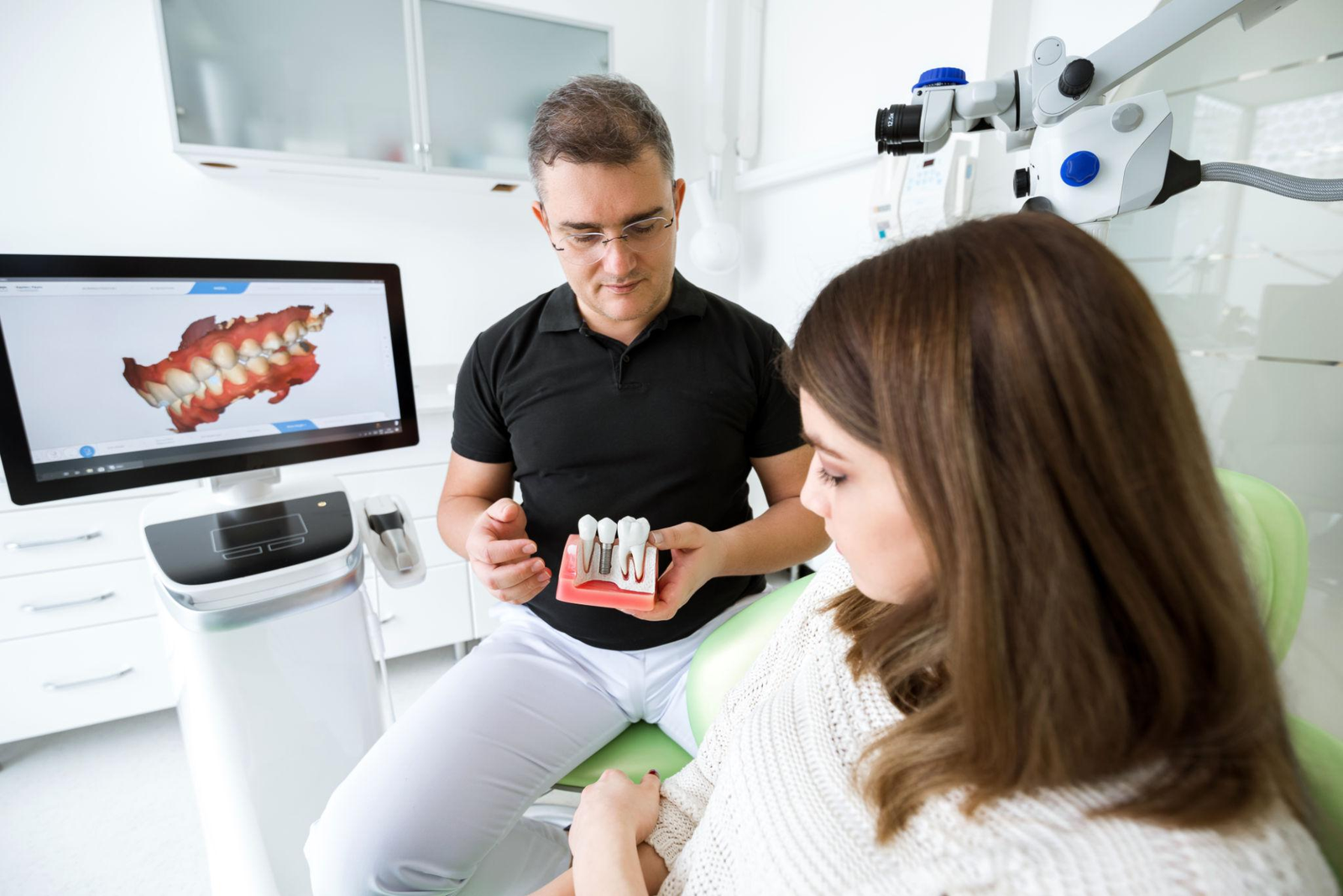
Missing teeth can affect much more than the appearance of your smile. They may make eating and speaking more difficult and can also affect confidence and overall oral function. Dental implants are one option for replacing missing teeth and are designed to provide a stable foundation for a replacement tooth or dental restoration.
For patients considering Permanent Dental Implants, understanding the treatment process can make the experience easier to navigate. Implant treatment generally involves several stages, from the initial consultation and examination to implant placement, healing, restoration, and long-term maintenance. Knowing what to expect can also help patients prepare questions and have a more productive conversation with their dental professional.
This step-by-step guide explains what patients can generally expect when considering dental implants and what factors may influence the treatment journey.
Step 1: Schedule an Initial Consultation
The first step toward Permanent Dental Implants is scheduling an initial consultation with a qualified dental professional. During this appointment, your oral health, dental history, and treatment goals will be discussed.
The provider may ask about:
- Missing or damaged teeth
- Previous dental treatments
- Gum health
- Oral hygiene habits
- General medical history
- Your expectations from treatment
This consultation provides an opportunity to ask questions and understand whether dental implants may be an appropriate option for your situation.
It is important to remember that implant treatment is not identical for every patient. The number of missing teeth, condition of the jawbone, gum health, and other factors can influence the recommended approach.
Step 2: Complete a Comprehensive Dental Examination
After the initial consultation, a detailed examination is usually performed to assess the condition of your mouth.
The dental professional may evaluate:
- Teeth surrounding the treatment area
- Gum health
- Jawbone condition
- Bite alignment
- Existing dental restorations
- Oral infections or other concerns
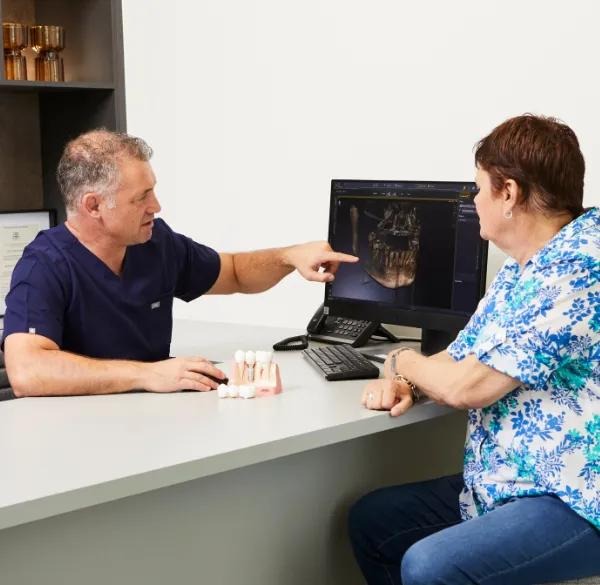
Dental X-rays or advanced imaging may also be recommended. These diagnostic tools can provide information about the jawbone and surrounding structures that may not be visible during a standard examination.
A thorough evaluation helps the provider determine whether implants are suitable and whether any preparation is needed before treatment.
Step 3: Develop a Personalized Treatment Plan
Once the examination is complete, the dental professional can develop a treatment plan based on your individual needs.
The plan may consider:
- The number of implants required
- The location of the missing teeth
- Available bone support
- The type of final restoration
- The expected treatment timeline
- Any additional procedures that may be necessary
For some patients, implant placement may be relatively straightforward. Others may need treatment for gum disease, removal of damaged teeth, or additional procedures to address insufficient bone support.
A personalized treatment plan is important because it allows the dental team to address your specific oral health condition rather than using a standard approach.
Step 4: Prepare the Mouth if Necessary
Not every patient requires additional preparation, but certain dental conditions may need to be addressed before implant placement.
For example, existing gum disease or an untreated infection may need to be managed first. If a damaged tooth remains in the treatment area, extraction may also be necessary.
Some patients may have insufficient jawbone to support an implant in the planned position. Depending on the circumstances, additional procedures may be considered to improve the available support.
Your dental professional should explain why any recommended preparation is necessary and how it fits into the overall treatment plan.
Step 5: Place the Dental Implant
Once the mouth is ready, the implant placement stage can begin.
A dental implant is designed to act as an artificial tooth root. It is placed into the jawbone at a carefully planned location. The procedure is performed using appropriate anesthesia and clinical techniques selected according to the patient’s needs.
The number and position of implants depend on the treatment plan. A single missing tooth may require one implant, while multiple missing teeth or full-arch treatment may involve several implants.
Precision during implant placement is important, which is why detailed diagnostic planning and professional expertise are key parts of the process.
Step 6: Allow Time for Healing
After implant placement, the implant generally requires time to heal and integrate with the surrounding jawbone.
This stage is important because the implant needs to become sufficiently stable before the final restoration is attached.
The healing period can vary between patients depending on factors such as:
- Overall oral health
- Bone condition
- Number of implants
- Type of treatment
- Individual healing response
During this stage, your dental professional may schedule follow-up appointments to monitor your progress.
Patients should follow all post-treatment instructions carefully and contact their dental provider if they notice unusual symptoms or concerns.
Step 7: Attach the Abutment
After the appropriate healing and evaluation period, the next stage may involve placing an abutment. The abutment is a component that connects the dental implant to the final restoration.
The exact timing and method can vary depending on the implant system and treatment approach.
In some cases, the abutment may be placed during a separate appointment. In other treatment situations, components may be managed differently as part of the overall treatment plan.
Your dental professional will explain which approach is appropriate for your case.
Step 8: Create the Final Restoration
The next stage is the creation of the replacement tooth or dental restoration that will be attached to the implant.
Depending on your needs, the final restoration may be:
- A single dental crown
- An implant-supported bridge
- A full-arch restoration
Digital impressions or traditional techniques may be used to create a restoration that fits the patient’s mouth.
The dental team may consider factors such as tooth shape, size, color, bite, and facial appearance when designing the restoration. The goal is to create a replacement that works comfortably while providing a natural-looking appearance.
Step 9: Place and Evaluate the Final Restoration
Once the restoration has been completed, it can be attached to the implant or implant-supported structure.
The dental professional will evaluate the fit, bite, appearance, and function. Adjustments may sometimes be required to achieve an appropriate fit and comfortable bite.
Patients should communicate any concerns about discomfort, chewing, speech, or appearance so they can be addressed appropriately.
The final restoration represents an important stage of the treatment, but the process does not end there.
Step 10: Follow a Long-Term Care Routine
Proper maintenance is essential after receiving Permanent Dental Implants. Although dental implants are designed to provide long-term tooth replacement, they still require appropriate oral hygiene and professional monitoring.
Patients should generally focus on:
- Brushing regularly
- Cleaning between teeth as recommended
- Maintaining healthy gums
- Attending routine dental examinations
- Following professional maintenance instructions
- Avoiding habits that could damage the restoration
The specific cleaning routine may vary depending on whether you have a single implant crown, implant-supported bridge, or full-arch restoration.
Regular dental visits allow the provider to monitor the implant, restoration, gums, and surrounding tissues.
See also: Fuel Nozzle Repair Services: An Informational Guide to Inspection, Repair, and Performance
Are Permanent Dental Implants Really Permanent?
The term “permanent” is commonly used to describe implant-supported tooth replacement because implants are designed as a long-term solution. However, this does not mean they are completely maintenance-free or guaranteed to last forever.
Their long-term performance can be influenced by several factors, including:
- Oral hygiene
- Gum health
- Bone condition
- Bite forces
- Lifestyle habits
- Regular dental care
- Quality and condition of the restoration
The implant and the visible restoration may also have different maintenance requirements. Following professional recommendations and maintaining good oral hygiene can help support long-term oral health.
Questions to Ask Before Treatment
Before starting Permanent Dental Implants, patients should understand the complete treatment plan. Consider asking your dental professional:
- Am I a suitable candidate for dental implants?
- What diagnostic tests will I need?
- Will I require any additional procedures?
- How long might the overall treatment take?
- What type of restoration is recommended?
- What should I expect during the healing period?
- What aftercare will be required?
- How should I maintain my implants over the long term?
- What costs are included in the treatment plan?
Getting clear answers can help you make an informed decision and understand what to expect at each stage.
Final Thoughts
The journey toward Permanent Dental Implants generally involves several carefully planned stages. From the initial consultation and dental examination to implant placement, healing, restoration, and ongoing maintenance, every step plays an important role in the overall treatment process.
Dental implants are not suitable for every patient, and the appropriate treatment approach depends on individual oral health conditions. A comprehensive examination and personalized treatment plan are therefore essential before proceeding.
If you are considering dental implants, take the time to discuss your goals, concerns, treatment options, expected timeline, and long-term care requirements with a qualified dental professional. Understanding the process in advance can help you approach treatment with realistic expectations and make decisions that support your long-term oral health.